Education shapes workforce: Aussie Ed Channel Ideas Guide
"The pursuit of knowledge often meets the reality of shifting economic landscapes, where academic achievement and property markets collide in the lives of citizens."
This discussion explores the intersection of educational achievement and economic shifts within the Australian context.
We examine how high graduation rates and international investment trends shape the future for young professionals, while highlighting the tension between academic success and housing accessibility.
Key takeaways: * High tertiary graduation rates in Australia represent a leading standard among OECD nations. * PISA evaluations indicate strong performance in core subjects among Australian students.

* Shifting investment policies and foreign interest significantly impact the domestic property market.
How do educational outcomes shape the workforce?
A young professional grips a heavy folder in a bright office, realizing how their education will dictate their career path.
A student sits at a desk in Melbourne, reviewing a transcript that shows a strong foundation in science and mathematics. This academic background serves as the starting point for a professional journey in a competitive global economy.
About 58% of Australians aged from 25 to 64 have vocational or tertiary qualifications. Furthermore, the tertiary graduation rate of 49% is the highest among OECD countries. These figures suggest a highly educated workforce ready to enter various sectors.
Aus Ed Content Ideas often focus on these high achievement levels. Such data provides a baseline for understanding how the domestic workforce qualifies for global roles.
The strength of this educational foundation ensures that the talent pool remains robust. This reality shapes how industries approach recruitment and long-term planning.
- Identify skill gaps in the current labor market.
- Align curriculum development with industry needs.
- Implement vocational training programs.
How did students actually perform on the recent PISA? Aussie Ed Channel Ideas
A classroom of teenagers engages in a rigorous reading comprehension exercise, testing their ability to analyze complex texts. These results reflect the current standing of the nation's youth on the global stage.
According to the 2022 PISA evaluations, Australian 15-year-olds ranked ninth in the OECD for reading and science and tenth for maths. This performance indicates a high level of proficiency in essential subjects compared to international peers.

New Ed Strategy Share often looks at these rankings to understand student readiness. These metrics highlight both the strengths and the areas requiring attention in the curriculum.
Such rankings provide a snapshot of how well the educational system prepares students for future challenges. Maintaining these positions requires constant focus on teaching methodologies.
In this sequence, the second step is the longest.
How has foreign investment influenced the property market?
An investor views a digital map of suburban developments, noting the rapid growth in specific residential zones. The intersection of capital and housing creates a complex environment for local residents.
According to FIRB (Foreign Investment Review Board) data released in August 2009, foreign investment in Australian real estate had increased by more than 30% year to date. This trend highlights the international interest in domestic assets.
Success Fail Ed Tips might examine how these economic shifts affect the career paths of recent graduates. Financial stability is often tied to the ability to navigate these market fluctuations.
The influx of capital can lead to rapid changes in local neighborhoods. These shifts create both opportunities and challenges for the domestic population.
What does everyone really think about housing costs?
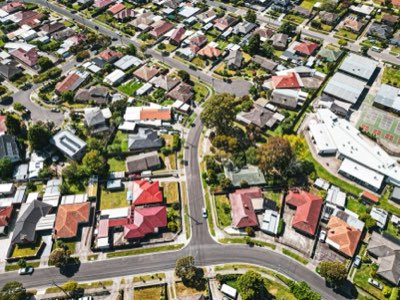
A resident walks through a quiet street, observing the high prices of the homes surrounding them. Public discourse frequently turns to the causes of these rising costs.
In 2021, the Guardian reported on a survey that found over 80% of Australians thought Chinese investors were driving up house prices. This sentiment reflects a significant portion of the population's perspective on market drivers.

Australian Learning Views are often shaped by these perceived economic pressures. Understanding these views is essential for grasping the social climate.
Public perception plays a major role in shaping policy discussions. These views often stem from the direct experience of living in an expensive market.
What do recent polls say about investment bans?
A policymaker reviews a report detailing the results of a recent public opinion survey. The data provides clear direction on the level of support for specific regulatory changes.
A 2025 poll found that 69% of Australians polled supported a temporary 2 year ban on foreign investment in residential property, while only 9% were opposed and 22% were unsure. This shows a strong leaning toward restrictive measures to stabilize the market.
Aussie Ed Channel Ideas could use these statistics to discuss the economic pressures facing the next generation. The tension between global mobility and local stability is a recurring theme.
These numbers reflect a desire for intervention to protect housing affordability. Such widespread support can lead to significant legislative shifts.
How do tax policies impact the housing market?
A homeowner calculates their yearly expenses, noting the impact of tax structures on their net worth. Policy decisions often have a direct effect on individual financial health.
According to The Australia Institute, investor-focused tax policies played a major role in driving up house prices in Australia in March 2025.
In March 2025, The Australia Institute assorted that investor-focused tax policies have played a major role in driving up house prices in Australia. This suggests that the legislative framework itself is a driver of market trends.
Modern Teaching Insights might relate these economic realities to the financial literacy required in the modern age. Navigating such a landscape requires more than just academic knowledge.

Policy-driven price increases can change the demographic makeup of communities. This reality forces many to reconsider their long-term living arrangements.
Summary of Educational and Economic Indicators
| Category | Key Metric/Finding |
|---|---|
| Tertiary Graduation Rate | 49% (Highest among OECD) |
| PISA Ranking (Reading/Science) | 9th in OECD |
| Support for 2-Year Investment Ban | 69% |
I observed how these statistics create a complex picture of a highly educated society facing significant economic hurdles.
A limitation of these findings is that survey-based sentiments and historical data may not reflect real-time changes in the current year's market dynamics.
This part also covers Ed Value From Failure.
This part also covers Practical Ed Takeaways.
Ed Value From Failure
Related
FAQ
What is the tertiary graduation rate in Australia?
Related posts

Authentic idea education: Why content trust is essential

Australian expert content value: How to guide viewers best

Vietnamese Australian artists: Best tips for community guide

ANU alumni media experts guide how academic knowledge helps
Popular posts

15 Minutes Daily: The Secret to Authentic Fan Connection
7 Keys to Viral Success: Australian Creator Models Work

7 Secrets: How Aussie Creators Build Global Audiences Online
Comments 0