Australian Wildlife Guide: Tips for Observing Unique Fauna
From practical evaluation, observing the diverse wildlife of the Australian continent requires more than just a keen eye; it demands a profound respect for one of the most unique biological landscapes on Earth. Australia is not merely a destination for nature enthusiasts; it is a living laboratory of evolution. The continent’s long geographic isolation and tectonic stability have fostered a level of endemism that is virtually unparalleled. In our analysis of the region's biological makeup, we find that the sheer percentage of species found nowhere else—46% of birds, 69% of mammals, 94% of amphibians, and 93% of reptiles—makes every excursion into the bush a high-stakes encounter with evolutionary history.
The Biological Uniqueness of Australian Fauna
To understand why Australian wildlife observation is so distinct, one must look at the ecological niches occupied by its inhabitants. Unlike most other continents, Australia is characterized by a relative scarcity of native placental mammals. This vacuum has been filled by marsupials—mammals that raise their young in a pouch, such as macropods (kangaroos and wallabies), possums, and dasyuromorphs. This evolutionary path has created a landscape where the "standard" rules of mammalian biology are rewritten.
Furthermore, Australia is one of the few places on the planet where you can encounter monotremes, the rare egg-laying mammals. The continent hosts two of the five known extant species of monotremes, adding a layer of scientific wonder to any nature trek. However, this biological richness comes with a caveat: the presence of numerous venomous species, ranging from spiders and scorpions to marine life like certain octopuses and jellyfish, necessitates a disciplined approach to observation.
Essential Wildlife Observation Comparison
When planning a nature expedition, it is vital to understand the different environments you will encounter. Each habitat offers a different level of biodiversity and requires specific observational strategies.
| Habitat Type | Primary Fauna Groups | Observation Difficulty | Key Ecological Feature |
|---|---|---|---|
| Rainforest | Amphibians, Birds, Reptiles | High (Dense Canopy) | High humidity and endemism |
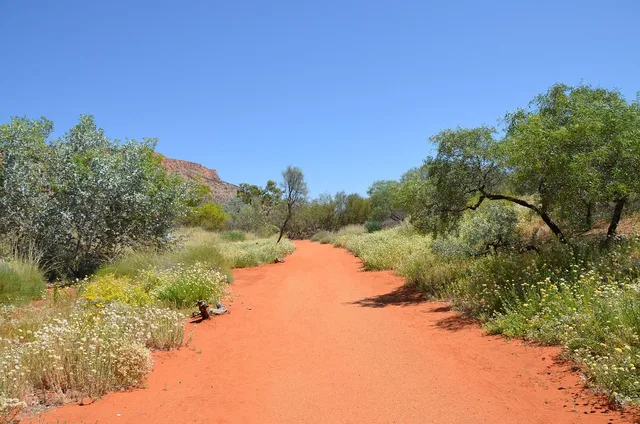
| Bushland/Scrub | Marsupials, Reptiles | Moderate | Seasonal vegetation changes |
| Coastal/Marine | Jellyfish, Molluscs, Fish | Moderate to High | Intertidal zone biodiversity |
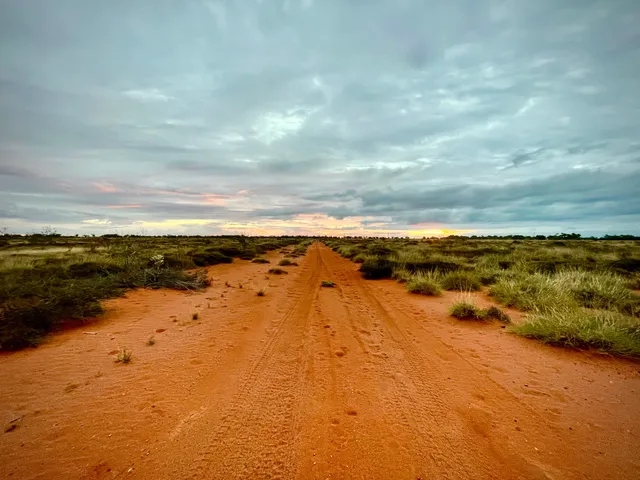
| Arid/Desert | Reptiles, Specialized Birds | High (Climate Extremes) | Extreme temperature fluctuations |
How Can You Observe Wildlife Safely and Ethically?
Safety in the Australian wild is not about fear, but about informed preparation. The Department of Climate Change, Energy, the Environment and Water (DCCEEW) oversees much of the environmental protection and biodiversity conservation that keeps these habitats intact. For the observer, following ethical guidelines ensures that the very animals you seek to document remain undisturbed.
From a practical standpoint, observation should always be conducted from a distance. The goal is to witness natural behaviors—foraging, social interaction, or movement—without altering them. This is particularly important for marsupials, which can be sensitive to human presence. Additionally, understanding the local meteorology and land conditions is crucial, as weather patterns in Australia can shift rapidly, affecting both animal activity and your own safety.
Preparation Checklist for Nature Explorers
Before heading into the field, ensure you have addressed the following requirements to maximize your chances of a successful and safe encounter:
* Research Local Endemism: Identify which specific species are native to your target area to better prepare your sighting logs. * Check Environmental Regulations: Consult guidelines provided by the DCCEEW regarding protected areas and conservation zones. * Pack Essential Gear: Include high-quality binoculars, a wide-angle lens for photography, and appropriate protective clothing. * Monitor Weather Forecasts: Use local meteorological data to avoid extreme heat or sudden storms. * Carry First Aid: Ensure your kit includes treatments for minor abrasions and stings, though professional medical help should always be the priority for serious incidents.
The Role of Scientific Research in Conservation
The ability to observe wildlife effectively is bolstered by decades of rigorous scientific study. Organizations like the CSIRO (Commonwealth Scientific and Industrial Research Organisation) play a pivotal role in this ecosystem. With more than 50 sites across Australia and a massive professional staff, CSIRO provides the scientific backbone that helps us understand the complex relationships between Australian flora and fauna.
Historically, the drive to understand the Australian environment was revitalized in 1926 with the establishment of the Council for Scientific and Industrial Research (CSIR), which eventually evolved into the modern CSIRO. This legacy of research allows modern observers to understand not just *what* they are seeing, but *why* certain species behave in specific ways within their habitats. By respecting the scientific integrity of these environments, observers contribute to a culture of conservation that protects Australia's unique biological heritage for future generations.
Frequently Asked Questions
What makes Australian marsupials different from other mammals? Marsupials are distinguished by the way they raise their young. Instead of a long gestation period within a placenta, most marsupials give birth to relatively undeveloped young that then move into a pouch to continue their development. This has allowed them to occupy many ecological niches that placental mammals occupy on other continents.
Is it safe to observe reptiles and amphibians in Australia? While Australia is home to many venomous reptiles and amphibians, careful observation is safe. By maintaining a respectful distance, using binoculars, and staying on marked paths, you can observe these creatures without risk. Always research the specific species present in your area before venturing out.
How does the government protect Australian biodiversity? The Department of Climate Change, Energy, the Environment and Water (DCCEEW) is the primary government body responsible for environment protection and the conservation of biodiversity. They manage various programs to ensure that land contamination is minimized and that native habitats are preserved through strict administrative and conservation frameworks.
Popular posts

15 Minutes Daily: The Secret to Authentic Fan Connection

7 Keys to Viral Success: Australian Creator Models Work

7 Secrets: How Aussie Creators Build Global Audiences Online

Comments 0