Aussie outdoor creator: How to capture the wild's essence
"The silence of the bush is not an absence of sound, but a presence of life waiting to be heard."
An Aussie outdoor creator finds success by blending technical precision with a deep respect for the vast, rugged landscapes of the continent. To build a unique brand, creators must master the balance between high-quality production and authentic environmental engagement.
This guide explores how to capture the essence of the wild, the importance of understanding geography, and the practical steps for developing engaging outdoor media making.
How can an Aussie outdoor creator master the landscape?
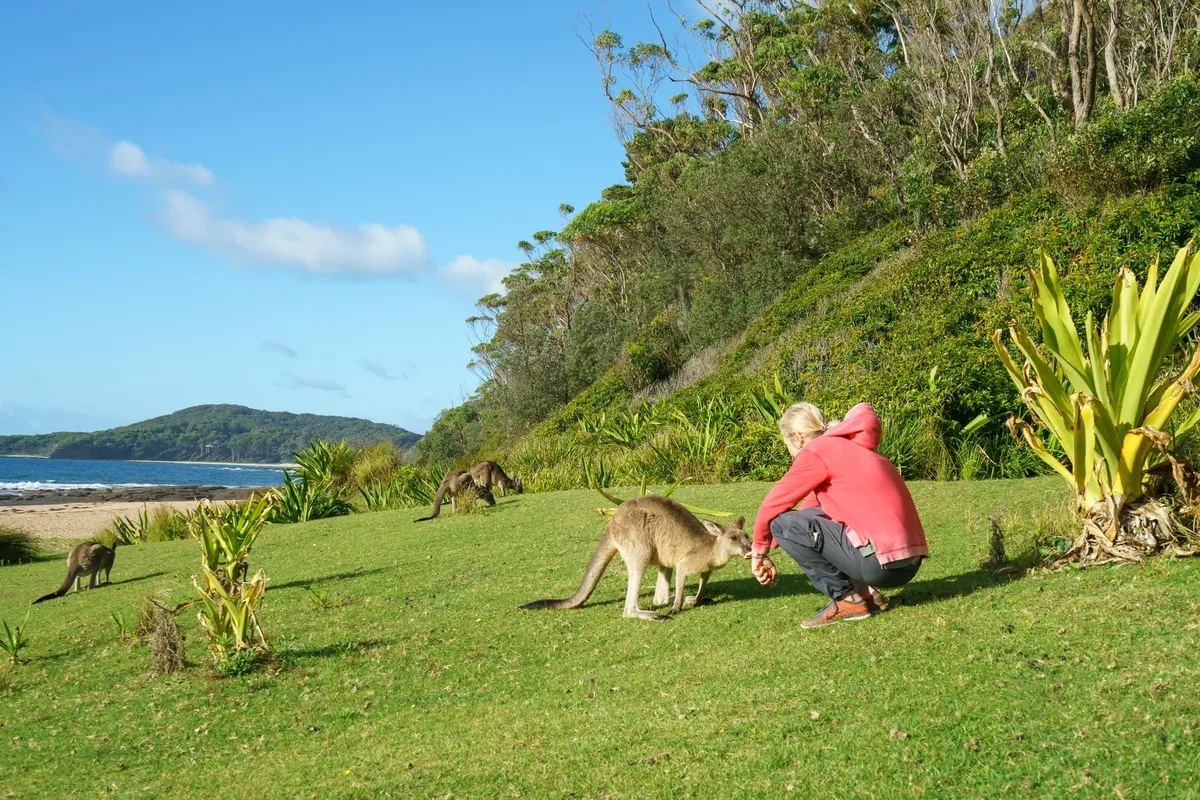
Walking through the red dust of a remote trail, a filmmaker realizes the sheer scale of the terrain requires a different approach to storytelling. An Aussie outdoor creator must understand that the environment is not just a backdrop but a primary character in every frame.
According to a 2022 study by The Tech Council of Australia, the Australian technology sector combined contributes $167 billion a year to the economy and employs 861,000 people.
According to the Australian Council of Social Service, the poverty rate of Australia exceeds 13.6% of the population, encompassing over 3.2 million.
Capturing the vastness of the world's flattest and driest inhabited continent requires patience and an eye for wide-angle perspectives.
The sheer scale of the land provides endless opportunities for unique outdoor stories. Because the land area is 7,688,287 km2 (2,968,464 sq mi), making it the sixth-largest country in the world, creators can explore diverse biomes within a single journey.
These massive expanses allow for a sense of isolation that is difficult to replicate elsewhere.
Effective outdoor media making often involves moving between different environmental zones. The diversity of the landscape, from arid plains to coastal regions, provides a natural variety for visual storytelling. Using this variety helps maintain viewer interest over long-form content.
What are the best wilderness video ideas for varied environments?
While standing on a windswept ridge at dawn, an Aussie creator feels the cold breeze as they set up a tripod.
Setting up a tripod on a windswept ridge, a creator looks for the perfect moment to capture the interplay of light and shadow. Developing wilderness video ideas often starts with identifying the unique natural features of a specific location.
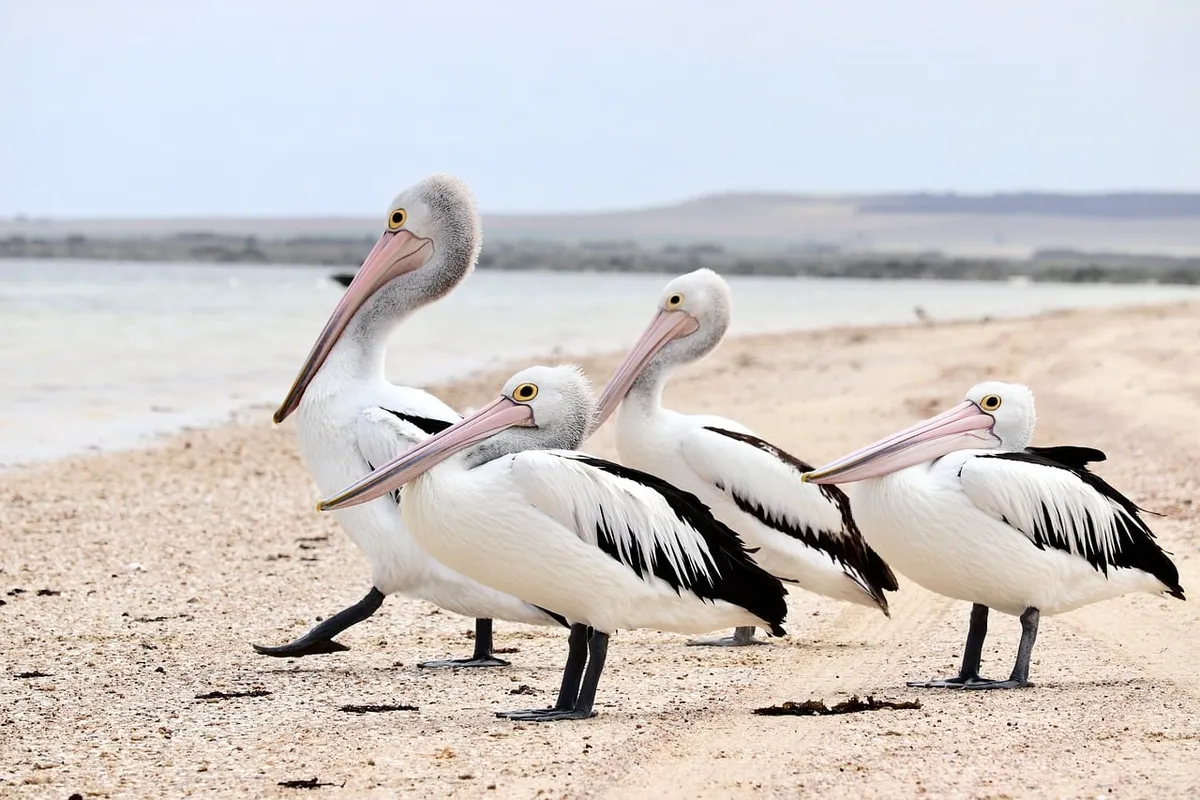
Successful creators look for elements that define the region, such as unique geological formations or specific wildlife behaviors.
The variety of terrain offers a wealth of inspiration for content. For example, the Great Barrier Reef, the world's largest coral reef, lies a short distance off the north-east coast and extends for more than 2,300 km (1,400 mi).
Such landmarks provide iconic visual anchors for underwater or coastal storytelling.
Deep nature connection can be achieved by focusing on the small details within these large spaces. Every shot should tell a story about the relationship between the subject and the environment. This approach moves beyond mere sightseeing into true documentary-style engagement.
How do you manage technical challenges in the field?
At dusk, an Aussie creator grips a heavy camera tripod tightly as the biting wind whistles through the mountain pass.
Adjusting the lens focus while battling the heat of the sun, a videographer learns that gear must be as resilient as the person using it. Managing technical challenges is a core part of outdoor media making.
According to the OECD, about 58% of Australians aged from 25 to 64 have vocational or tertiary qualifications and the tertiary graduation rate of 49% is the highest among OECD countries.
Equipment must be able to withstand the dust, heat, and unpredictable weather patterns found in the wild.
The environment can be harsh on sensitive electronics. About 70% of Australia's landmass is arid or semi-arid, which means dust and heat are constant factors to manage. Keeping gear clean and well-maintained is essential for preventing equipment failure during critical shots.
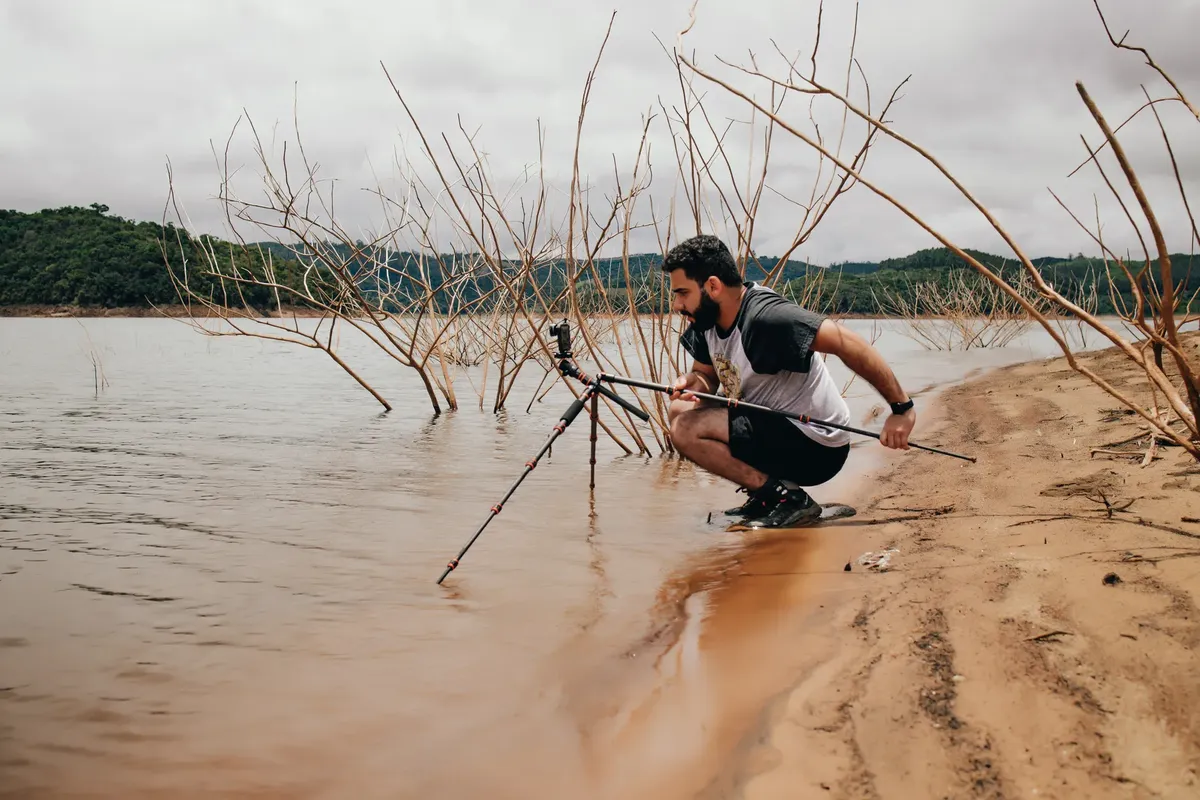
One must also consider the logistics of remote filming. Because about 95% of the population lives within 100 km of the coast, much of the interior remains extremely isolated. Planning for power, storage, and transport is just as important as the creative vision itself.
How to develop an engaging wild scenes strategy?
Sitting quietly by a campfire, a filmmaker waits for the natural sounds to peak before hitting the record button. Developing engaging wild scenes requires a strategy that prioritizes authenticity over staged action.
The goal is to bring the viewer into the moment through immersive soundscapes and natural pacing.
A successful strategy involves these three steps:
- Observe the natural rhythm of the environment before setting up equipment to understand the light and sound. 2. Use minimal gear to ensure the presence of the crew does not disturb the wildlife or the natural atmosphere. 3. Capture ambient audio to create a sense of place that complements the visual footage.
I found that waiting for the right moment often meant sitting motionless for hours, but the resulting footage was always worth the patience. A final check of all audio and visual settings ensures that the captured moment is preserved exactly as it happened.
What are the limitations of filming in such vast areas?
Looking at a map of the vast coastline, a creator realizes that some areas remain nearly impossible to access consistently. Understanding the limitations of the landscape is vital for realistic planning.
Large-scale environments present logistical and physical hurdles that can limit the scope of a production.
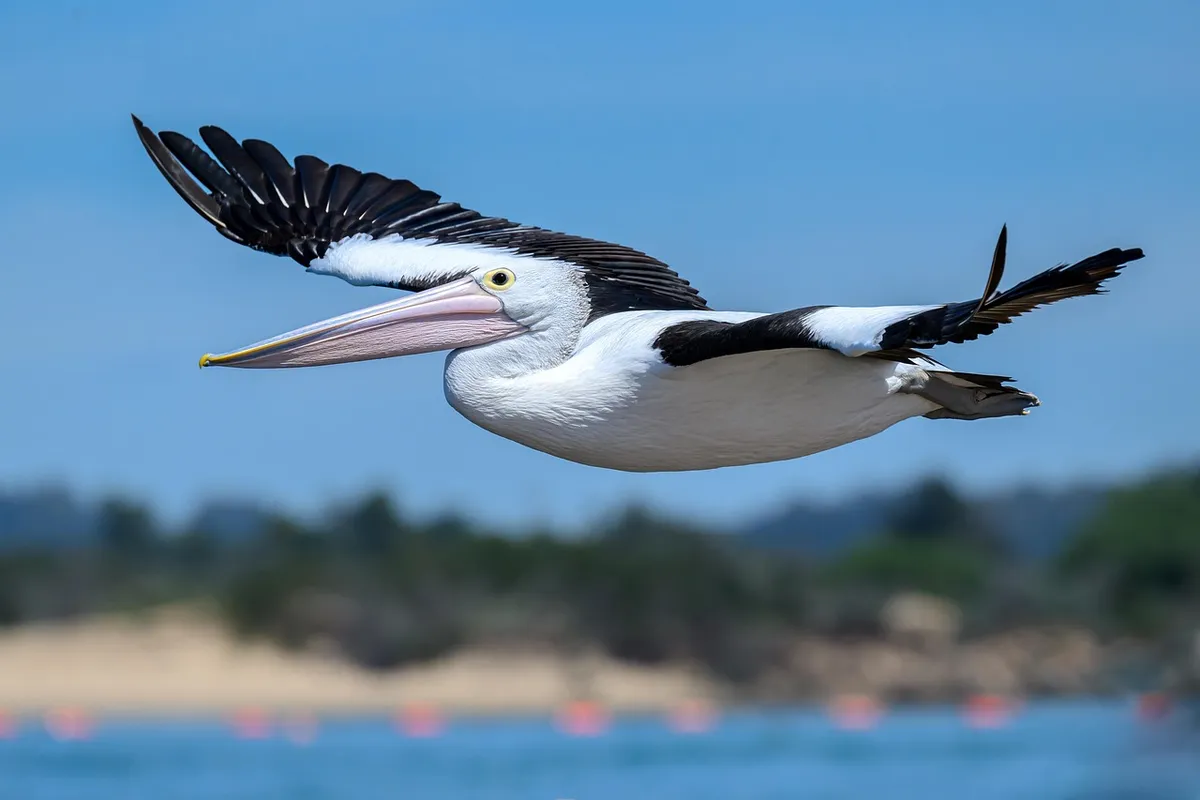
One significant limitation is the sheer distance and isolation of certain regions. For instance, the coastline is 35,877 km (22,293 mi) long, excluding all offshore islands, which makes comprehensive coverage a massive undertaking.
Travel time and accessibility can dictate what can realistically be filmed.
The environment also imposes physical limits on gear and crew. The ruggedness of the terrain and the distance from civilization mean that self-sufficiency is not optional. These factors must be factored into every production timeline and budget.
- How can an Aussie outdoor creator master the landscape?
- What are the best wilderness video ideas for varied environments?
- How do you manage technical challenges in the field?
Related
- Australia vlog lifestyle secrets: Economic realities guide
- What are the popular vlogger secrets for engagement?
How does the silence of the bush inform the visual narrative?
The silence of the bush is not merely a pause in the action; it is a powerful auditory element that contributes to the overall narrative structure. This quiet presence demands that the filmmaker match the visual pacing to the auditory restraint.
The contrast between the immense quiet and the underlying life within the bush becomes a deliberate artistic choice.
- The filmmaker must allow the quiet moments to breathe, mirroring the slow, enduring quality of the Australian landscape. 2. The visual composition should reflect this stillness, using wide shots to convey the scale of the quietude. 3. The eventual return of sound breaks the silence, signaling a shift in the narrative or a return to activity.
This deliberate pacing transforms simple quietude into a meaningful part of the story being told about the continent's character. The silence becomes pregnant with the life that is always present, waiting for the right moment to emerge.
FAQ
How can I capture the scale of the landscape?
What is a major environmental factor to consider?
Related posts

Popular posts
15 Minutes Daily: The Secret to Authentic Fan Connection

7 Keys to Viral Success: Australian Creator Models Work

7 Secrets: How Aussie Creators Build Global Audiences Online
Comments 0