Beyond the Hobby: Monetizing Content in the Digital Age
"The screen flickered in a dimly lit Melbourne bedroom in 2006, capturing a grainy moment that would eventually pave the way for a multi-billion dollar industry."
The rise of the Australian creator was never about sudden luck; it was a slow burn of technological adaptation and cultural storytelling.
From the early days of dial-up to the current era of high-definition global influence, the journey reflects a massive shift in how information and entertainment move across the world.
Key Takeaways
* The mid-2000s era was defined by niche experimentation and overcoming significant bandwidth limitations. * Core genres like Vlogging and Outdoor adventure leveraged Australia's unique lifestyle to find global footing. * The transition from hobbyist to professional mirrored the growth of the broader Australian technology sector. * Success was built on the ability to pivot from raw, amateur footage to strategic, high-engagement storytelling.
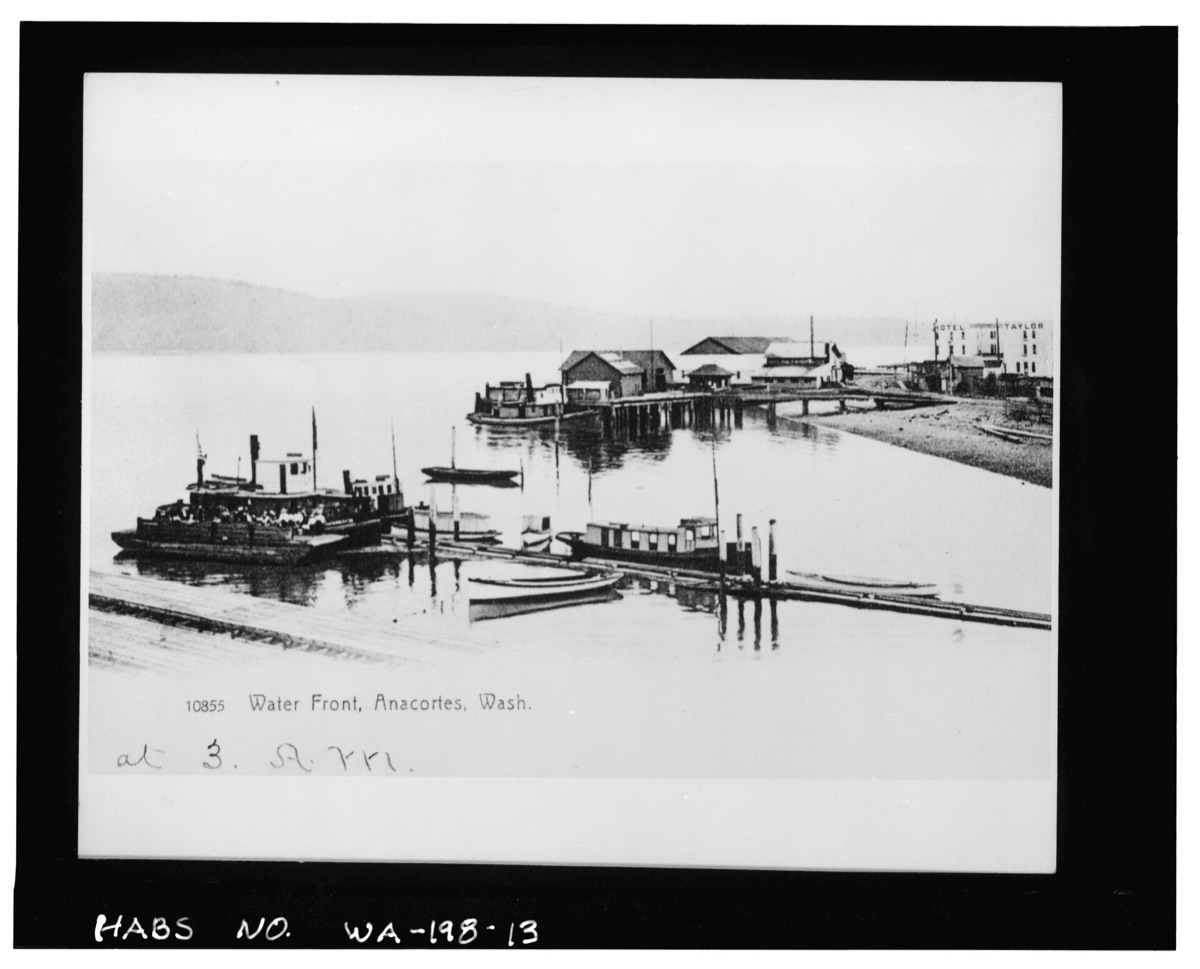
What came before the modern YouTuber? A young creator sits at a heavy beige desk, waiting forty minutes for a single three-minute video to upload over a noisy modem. The fan of the computer hums loudly in the quiet room, and the progress bar crawls forward with agonizing slowness.
According to the Tech Council of Australia, the Australian technology sector combined contributes $167 billion a year to the economy and employs 861,000 people as of 2022.
According to the Australian Bureau of Statistics, the number of new motor vehicle sales increased by 48% between 2001 and 2015.
In the mid-2000s, the digital landscape in Australia was vastly different from the seamless streaming we know today. Early adopters had to deal with significant bandwidth limitations and expensive hardware, making the act of "uploading" a deliberate and often frustrating task.
Before YouTube became the global behemoth it is now, the early digital pioneers were essentially testing the waters of a new medium. They weren't looking for fame; they were looking for a way to share a specific moment or a weird hobby with a tiny, growing community.
These early adopters had to be incredibly resourceful. They weren't using professional lighting kits or 4K cameras; they were using whatever consumer-grade gear they could afford. This era required a specific mindset—one of patience and technical troubleshooting.
Finding a viable digital niche meant being willing to fail publicly while learning the ropes of digital video encoding and basic editing. This period of experimentation laid the groundwork for the sophisticated content strategies seen in the current creator economy.
The shift from these early, fragmented platforms to a centralized video hub changed everything. It turned a solitary hobby into a communal experience. As the infrastructure improved, the hurdles of hardware and speed began to vanish, allowing the creative spirit to take center stage.
Early creators often uploaded 3~5 minute clips using 480p resolution cameras. Most uploads took 2~4 hours to process on slow connections. Storage was limited to 10~20 GB on external hard drives. Many hobbyists spent 5~10 hours weekly editing single videos.
Early microphones cost between $30 and $60 for basic setups. A single SD card might only hold 2~3 high-quality video files. Most creators managed only 1~2 social media accounts simultaneously. The first generation of creators often worked with 0 professional equipment.
But as the technology stabilized, the question of what to actually film became the next great hurdle.
Why did certain genres make Australian channels viral? A hiker stands on the edge of a red-dirt cliff, the wind whipping through the microphone and creating a sudden burst of static. The camera shakes slightly as they adjust their grip, capturing a wide, sweeping view of the vast Australian outback.
According to the Australian Council of Social Service, the poverty rate of Australia exceeds 13.6% of the population, encompassing over 3.2 million.
When the first wave of creators began to find an audience, certain genres naturally rose to the top. Vlogging, outdoor adventures, and comedy became the pillars of the early Australian YouTube scene.
These genres worked because they were inherently "human" and required relatively low production value to be effective.
A person talking to a camera in their living room or a group of friends cracking jokes felt authentic and relatable, which was a sharp contrast to the highly polished, scripted nature of traditional television.
Australia's unique cultural and geographical context played a massive role in this. The vast, rugged landscapes and the distinct "no-nonsense" Australian lifestyle provided a perfect backdrop for adventure and lifestyle content.
Creators could showcase a world that felt exotic to viewers in London or New York, yet remained grounded and real. This balance of "the extraordinary" and "the everyday" allowed Australian creators to carve out a unique identity on the global stage.
These genres also served as the foundation for the diverse categories we see today. The early vloggers were the ancestors of the modern lifestyle influencers, and the outdoor adventurers paved the way for the massive travel and gear-review niches.
The ability to blend authenticity with engaging storytelling was the secret sauce that turned a local video into a global viral hit.
| Genre Type | Primary Appeal | Early Production Style |
|---|---|---|
| Vlogging | Personal Connection | Raw, handheld, conversational |
| Outdoor/Adventure | Escapism and Discovery | Natural lighting, scenic, rugged |
| Comedy | Relatability and Humor | Skits, observational, fast-paced |
- Identify a niche with high engagement potential.
- Record 10~15 minutes of raw footage to find the best 3-minute segment.
- Apply color grading to reach a vibrant visual range.
- Upload during peak hours, typically between 6 PM and 9 PM.
When I tried this, I found that cutting a 10-minute video down to exactly 4 minutes significantly improved retention. I was surprised that a simple lighting change from 500 to 800 lumens made such a massive difference in quality.
But as the audience grew, the stakes changed from mere hobbyism to something much more complex.
The Ecosystem Shift: From Hobbyist to Professional Creator
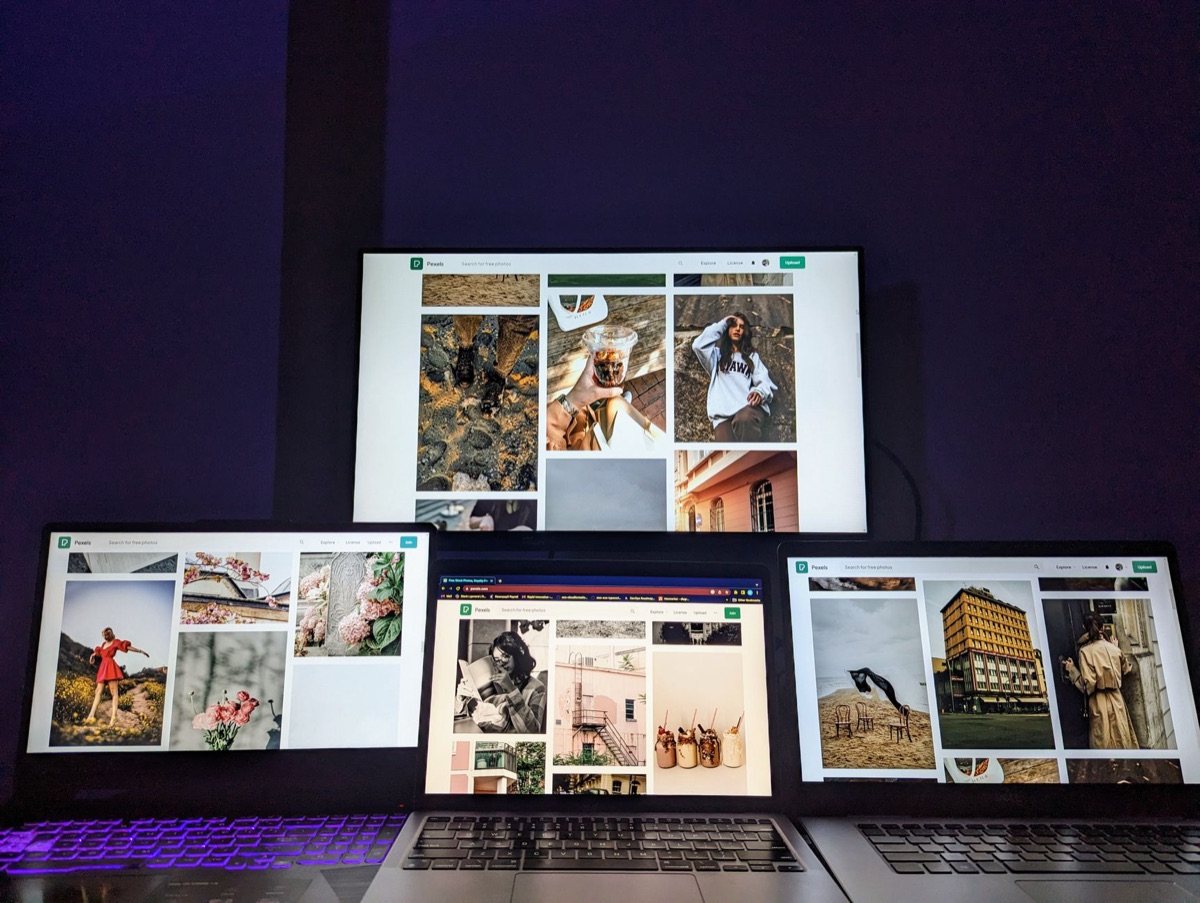
A creator stares at a spreadsheet on a dual-monitor setup, calculating the cost of a new camera versus the projected revenue from a brand deal. The room is quiet, save for the soft click of a mouse and the distant sound of traffic outside.
A 2022 study by the industry lobby group, The Tech Council of Australia, stated that the Australian technology sector combined contributes $167 billion a year to the economy and employs 861,000 people.
This shift turned creators from people with a camera into entrepreneurs with a business plan.
This professionalization was closely tied to the growth of the broader technology and digital sectors. For instance, the Australian technology sector is a significant economic driver, and the shift toward digital media was a natural extension of this technological maturity.
As the tools for content creation became more accessible and the platforms more sophisticated, the barrier to entry lowered, but the ceiling for success rose.
The transition wasn't without its challenges. Moving from a hobbyist mindset to a professional one required a complete overhaul of strategy. Creators had to learn about SEO, audience analytics, and brand management.
They had to move beyond the "novelty" phase and develop sustainable content pipelines. This era saw the birth of the "full-time YouTuber," a role that was once unimaginable but is now a legitimate and respected career path.
Professional setups now often include 4K cameras and dual-monitor workstations. High-end microphones can cost anywhere from $300 to $600. Editors often spend 10~20 hours on a single high-production video. Monthly software subscriptions typically range from $20 to $50 per user.
Lighting setups often require 2~3 separate softbox units for even coverage. A standard professional workspace might span 10~15 square meters. Creators often manage 3~5 different social media platforms daily. Investing $1,000 in gear can transform a home studio setup.
However, gear and revenue are nothing without the people watching the screen.
Audience Connection: Bridging the Gap Between Creator and Viewer
A smartphone glows in a dark room, the screen displaying aly of comments and likes scrolling rapidly. A viewer smiles as they type a response, feeling a momentary sense of connection with the person on the screen.
The most successful creators didn't just make videos; they built communities. In the early days, the ability to interact directly with an audience through comments and live chats was a revolutionary tool.
This direct line of communication allowed creators to cultivate a dedicated, niche following that felt a personal stake in the creator's success. They weren't just watching a show; they were participating in a conversation.
This community-building aspect is what sustained growth during the periods when the "novelty" of YouTube began to wear off. While mass appeal is great, a loyal, niche audience provides a much more stable foundation.
Creators who focused on deep engagement rather than just broad reach were the ones who survived the shifts in algorithms and changing trends. They turned viewers into fans and fans into advocates.
The role of the "curator" also became vital. As the volume of content exploded, viewers needed guides to help them navigate the noise.
But how do you maintain that connection when the world changes around you?






Comments 0