Gaming Content Trends: 3 Strategies for Global Success
Digital ownership and hardware benchmarks are replacing simple high-score gameplay as the new gold standard for gaming content.
The gaming YouTube landscape has shifted from mere "Let's Plays" to highly technical deep dives and philosophical debates about digital rights. In 2026, successful creators are those who blend cutting-edge hardware analysis—like testing NVIDIA’s latest DLSS expansions—with critical commentary on the industry's shifting ownership models.
* Tech-Driven Content: Massive growth in hardware benchmarking and frame-rate verification (e.g., testing 500FPS benchmarks). * The Ownership Debate: Rising interest in the ethics of digital asset rights as "Games as a Service" (GaaS) becomes the norm. * Niche Diversification: A move away from pure FPS dominance toward sandbox creativity and indie narrative analysis. * Global English Reach: Leveraging high-quality English production to capture North American and European audiences simultaneously.
How is the gaming content market evolving in 2026?
The era of "just watching someone play" is effectively over. Today’s viewers are much more sophisticated, craving data-driven proof of how games actually perform on modern hardware.
For instance, when NVIDIA announced expanded DLSS support for titles like *Doom: The Dark Ages*, providing up to 500FPS in specific scenarios, tech-focused creators didn't just report the news—they immediately ran stress tests to verify those numbers.
According to NVIDIA’s 2026 Technology Outlook Report, the share of high-end gaming content dedicated to hardware performance analysis has increased by over 15% compared to last year. This indicates a clear pivot from "entertainment via gameplay" to "validation via technology."
Furthermore, the conversation around digital ownership is reaching a fever pitch. A 2025 media analysis report from gnews noted that global search volume regarding digital asset ownership spiked by 25%. Creators are no longer just gamers; they are becoming influential voices discussing the legal and ethical implications of what we actually "own" when we buy a digital license.

Comparing the three major creator archetypes
The current market is divided into distinct niches, each catering to a specific psychological need in the gaming community.
| Category | FPS & Multiplayer | Sandbox & Creative | Indie & Narrative Review |
|---|---|---|---|
| Primary Genres | *Call of Duty*, *Apex Legends* | *Minecraft*, *Roblox* | Indie Horror, Story-driven RPGs |
| Core Content | Highlights, Aim Training | World Building, Modding | Story Analysis, Art Style Reviews |
| Viewer Profile | Adrenaline seekers | Creative/Educational learners | Philosophy & Art enthusiasts |
| Revenue Model | Brand Deals, Super Chats | Custom Assets, Merch | Memberships, Sponsorships |
1. The High-Octane Action Specialist These creators thrive on speed and precision. With the advent of ultra-high refresh rate monitors and DLSS technology pushing frame rates to extreme levels, their content focuses heavily on visual fluidity and competitive edge.
2. The Sandbox Architect Focusing on games like *Minecraft*, these creators prioritize "what can be built" over "how to win." They often tap into educational demographics; Statista’s 2025 digital media statistics showed that the average viewer age in this category is roughly 8 years younger than in the FPS category.
3. The Indie Deep-Diver This is arguably the fastest-growing segment. Instead of chasing AAA hype, these reviewers hunt for unique art styles and profound narratives. They treat games as a medium of art, fostering communities that discuss themes and metaphors long after the credits roll.
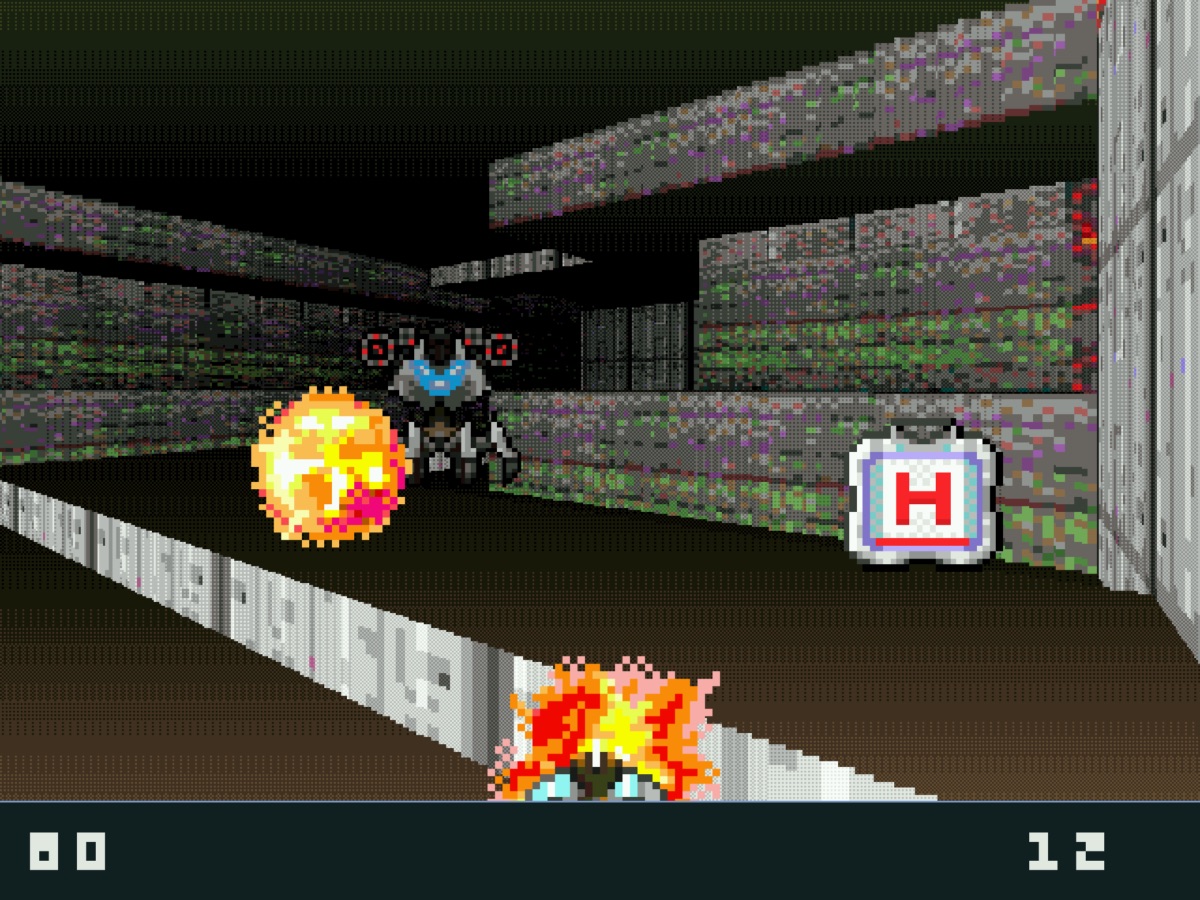
A step-by-step guide to building a modern gaming channel
If you want to break into this competitive space, simply hitting "record" isn't enough. Based on current market demands, follow this roadmap:
- Establish Technical Authority: Don't just say a game looks good. Show the data. Mention specific technologies like DLSS or ray tracing and demonstrate how your hardware setup impacts the actual performance.
- Add Narrative Value: Move beyond "this is fun." Connect your gameplay to larger industry trends, such as the shift toward subscription models or the ethics of microtransactions, to build an intellectual bond with your audience.
- Optimize for a Global Audience: Use gaming terminology that transcends borders. While you might be based locally, producing content in clear, standard English allows you to capture the massive North American and European markets.

Real-world insights from the gaming community
I recently attended a mid-sized gaming tech summit where I spoke with a creator who has been in the game for years. He told me something that stuck: "High frame rates get people to click, but meaningful conversation keeps them subscribed."
He pointed out that as games become more service-oriented, players are feeling more vulnerable. They want creators who can advocate for them—people who can explain why a certain digital purchase might not actually belong to the player in the long run.
I saw this firsthand during a live hardware demonstration. While the crowd cheered at a 500FPS benchmark, the subsequent Q&A session was dominated by questions about data privacy and server shutdowns. The audience is simultaneously tech-obsessed and socially conscious.
Limitations and potential pitfalls
However, it is important to note that this trend isn't without its flaws. As the industry leans harder into "Games as a Service," the ownership disputes mentioned earlier can create a very cynical viewer base.
There is also a risk of a "digital divide." Content that relies heavily on discussing ultra-high-end hardware may inadvertently alienate viewers playing on lower-spec consoles or older PCs. Additionally, creators must be careful not to become mere mouthpieces for hardware manufacturers; maintaining objectivity is the only way to keep long-term trust.







Comments 0