Sustainable Fashion: 3 Key Ways to Reduce Your Footprint
Moving beyond just looking good, a new wave of lifestyle trends is teaching us how to care for both our skin and the planet simultaneously.
The current shift in digital lifestyle content focuses on "Clean Beauty" and "Sustainable Fashion," prioritizing ingredient transparency over mere aesthetic appeal. Instead of chasing fleeting makeup trends, savvy consumers are looking toward eco-conscious creators who champion ethical production. This movement has become the new standard for mindful consumption in 2026.
* Clean Beauty Defined: Cosmetics formulated without harmful synthetics, prioritizing vegan and cruelty-free certifications. * Sustainable Fashion Principles: A move toward "Slow Fashion" through upcycling, vintage sourcing, and ethical manufacturing. * The Eco-Luxury Shift: A rising market segment driven by transparency, moving away from mass-produced synthetics. * Core Values: Vegan ingredients, zero-waste packaging, and radical supply chain honesty.
Why is the Clean Beauty movement exploding right now?
If you look at YouTube trends from a few years ago, most tutorials were about achieving a "perfect glow" using high-end brands. Fast forward to 2026, and the conversation has shifted entirely toward environmental impact.
According to Statista's 2025 Global Beauty Market Report, search interest in clean beauty metrics rose by approximately 34% year-over-year. This surge is largely driven by influential creators who act more like amateur chemists than traditional influencers.
They don't just show you a pretty bottle; they dissect the ingredient list to ensure no parabens or sulfates are present. Modern viewers value data and ethics as much as they value visual results.
I remember watching a deep-dive review last month where a creator spent twenty minutes analyzing the molecular stability of a new vegan serum. When she confirmed it was Leaping Bunny certified, the comment section wasn't filled with "OMG, I need this," but rather "Thank you for verifying the safety."
How are we actually practicing Sustainable Fashion?
In the fashion world, the "Fast Fashion" era is facing a massive reckoning. The current trend is "Slow Fashion"—the idea of buying fewer, higher-quality items that stand the test of time.
According to the Fashion Revolution 2025 Transparency Index, consumer demand for traceable supply chains has increased by 42% compared to previous cycles. Creators are moving away from weekly "clothing hauls" and toward intentional curation.
There are three primary ways this is being implemented:
- Building Capsule Wardrobes: Learning to style a minimal number of versatile pieces to discourage overconsumption.
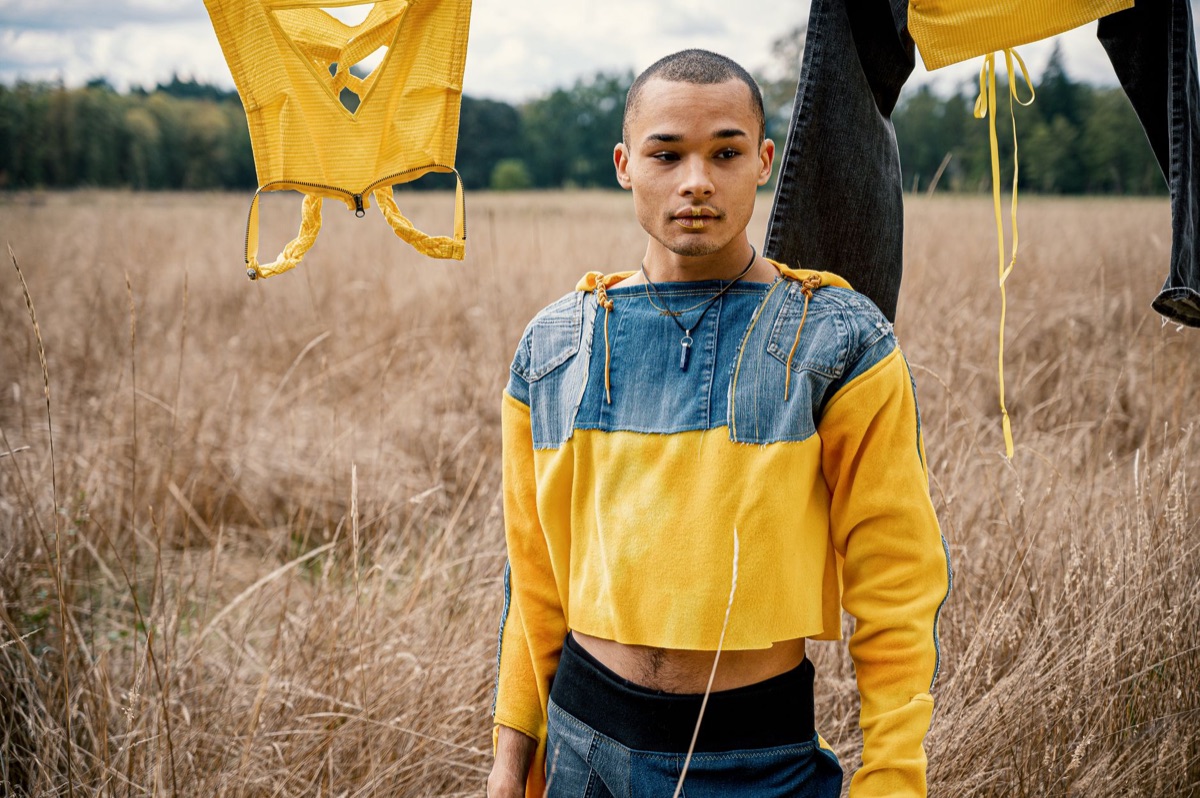
- Upcycling and DIY Reform: Taking old, worn-out garments and tailoring them into something new.
- Ethical Brand Discovery: Highlighting local labels that use organic fibers like hemp or Tencel.
The impact is measurable. According to a 2025 Sustainability Report from major industry analysts, 68% of Gen Z consumers now prioritize a brand's environmental footprint over its price tag. This confirms that social media is no longer just a tool for vanity.
Clean Beauty vs. Conventional Beauty: What’s the real difference?
The term "clean" can feel vague, and many brands use it as a marketing buzzword. To avoid falling for "greenwashing," it is vital to understand the technical distinctions.
| Feature | Clean Beauty | Conventional Beauty |
|---|---|---|
| Primary Ingredients | Vegan, organic, plant-based | Often contains synthetic fragrances/silicones |
| Ethical Standards | Strict cruelty-free requirements | Varies wildly by brand policy |
| Packaging | Recyclable or plastic-free options | High use of single-use plastics |
| Core Value | Harmony between skin and ecology | Immediate visual impact/pigment payoff |
However, it is important to note that "natural" does not always mean "safe," and "clean" does not always mean "organic."
The debate continues among dermatologists regarding the efficacy of certain botanical extracts compared to lab-synthesized actives. Always look for third-party certifications like COSMOS or ECOCERT rather than just trusting a label.
A step-by-step guide to adopting an eco-lifestyle
If you want to transition into this lifestyle without feeling overwhelmed, I recommend following this structured approach:
- Master the Vocabulary: Start by watching educational content regarding "ingredient safety" and "textile sustainability."
- Audit Your Current Routine: Before buying something new, check your current vanity. Identify one product nearing its end and research a vegan alternative.
- Seek Out Third-Party Proof: Use apps that scan ingredient lists for harmful chemicals to verify influencer claims.
- Implement One Small Habit: Start by visiting a local thrift store or using a resale app before clicking "add to cart" on a fast-fashion site.



Comments 0